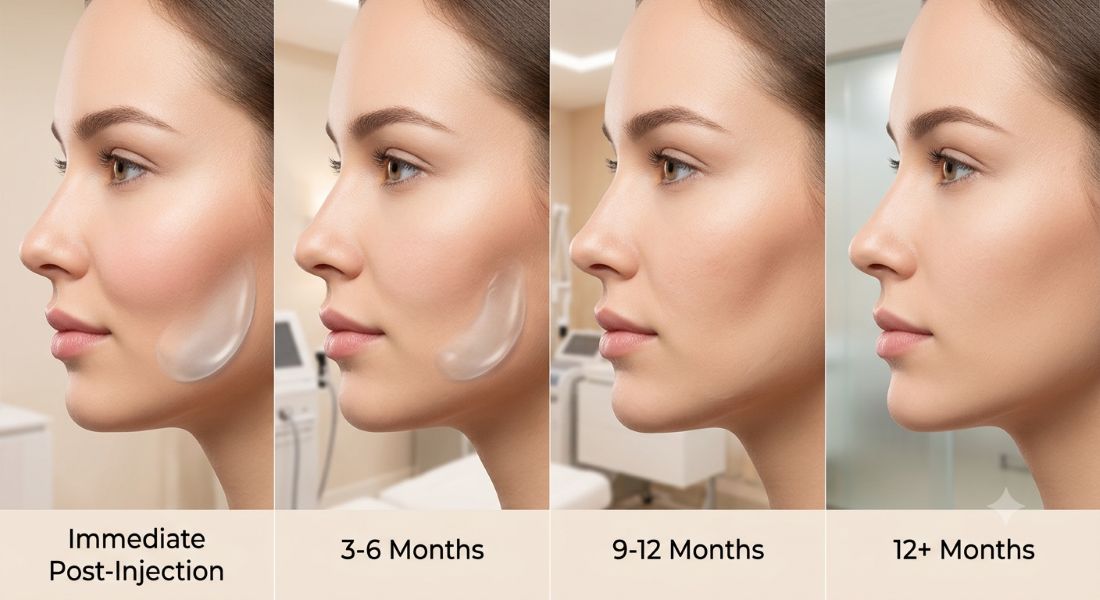
Sunken Cheeks With Age? Know How Sculptra Restores Structural Volume
Have you noticed your cheeks looking flatter and your face more tired, even after a good night's sleep? Sunken cheeks are a common part of facial ageing, caused by changes in fat, collagen, and bone. Sculptra is one treatment that works slowly by helping your skin make its own collagen. This guide explains why cheeks lose volume, how Sculptra works, and what else plastic and cosmetic surgery in Kolkata offers, so you can decide with confidence.
Why Do Cheeks Look Sunken as We Age?
Cheek hollowing rarely has one cause. It usually comes from three slow changes happening together over the years.
| What changes | What happens | What you may notice |
| Fat pads | Shrink and slide downward | Flatter cheeks, deeper smile lines |
| Collagen | Production slows down | Thinner, less firm skin |
| Facial bones | Gradually lose some volume | Less support under the cheeks |
So sunken cheeks aren't only a skin concern. They reflect a change in the support beneath the skin.
Is Age The Only Reason Why Cheeks Can Look Hollow?
Age isn't the only factor. Cheeks can also lose fullness because of:
- Significant or quick weight loss
- A naturally slim face, often seen in families
- Long-term sun exposure and smoking
- Certain illnesses and medicines that affect facial fat
A gentle note: if your cheeks have hollowed suddenly, along with unexplained weight loss or tiredness, please see your doctor first. A health check comes before any cosmetic treatment.
Can Facial Exercises Fix Sunken Cheeks?
According to research, women aged 40 to 65 who did facial exercises for 20 weeks showed fuller upper and lower cheeks. However, the study was small and had no comparison group.
What this means for you:
- Exercises may help tone the cheek muscles
- They cannot replace lost fat, bone support, or collagen
- Any benefit depends on doing them regularly, for months
Simple habits that help protect your face:
- Daily sunscreen
- Avoiding smoking
- Keeping a stable weight
- Getting enough sleep
What Is Sculptra and How Does It Work?
Sculptra is an injectable made of poly-L-lactic acid (PLLA). Instead of filling a hollow straight away, it works gradually in the background.
According to research, PLLA acts as a collagen stimulator. It is absorbed within a few days and encourages your skin cells to produce new collagen. Over time, this new collagen adds gradual fullness.
Sculptra at a glance
| Questions | Answers |
| What is it made of? | Poly-L-lactic acid (PLLA) |
| How does it work? | Encourages your own collagen |
| When does change appear? | Gradually, over weeks |
| Is there downtime? | Usually minimal |
| Is it permanent? | No |
Is Sculptra Suitable for Sunken Cheeks?
Who May Consider Sculptra
- People with mild to moderate cheek volume loss
- Those who prefer a change that builds slowly
- People in good general health
- Those comfortable with more than one session
When Another Option May Suit Better
- Allergy to any of its ingredients
- A history of raised or irregular scarring
- Active acne, infection or rash in the area
- Wanting to see a change straight away
- Loose, sagging skin as the main concern
- Pregnancy or breastfeeding (please discuss timing with your doctor)
Every face is different. The choice rests with you, after a detailed discussion of your goals with a qualified doctor.
What Happens During a Sculptra Treatment?
- Consultation: medical history, allergies, goals, and photographs
- Planning: the treatment areas are marked
- Comfort: the skin is cleaned, and a numbing cream is applied
- Injections: small injections are placed under the skin
- Aftercare: you receive clear instructions to follow at home
Common aftercare advice:
- Gentle massage of the area, as instructed
- A cold compress to ease swelling
- Avoiding exercise or strenuous activity for at least 24 hours
- Sun protection until any redness settles
Number of Sessions & Expected Result Time
Sculptra is usually given as a series of sessions, spaced a few weeks apart. The number depends on how much volume has been lost.
| Stage | What to expect |
| Right after treatment | Some fullness from swelling, which settles within days |
| 4–6 weeks after a session | Studies show the full effect of that session becomes visible |
| Over the following months | A gradual, soft change as collagen builds |
| Long term | Results can last more than two years |
Individual results vary from person to person, depending on age, skin quality, and how your body responds.
Sculptra vs Dermal Fillers: How It Differs
Both can help with volume loss, but they work in different ways.
| Feature | Sculptra (PLLA) | Hyaluronic acid fillers |
| How it works | Encourages your own collagen | Adds volume directly |
| When change shows | Gradually, over weeks | Soon after treatment |
| Can it be reversed? | No | Yes, with a dissolving injection |
| Sessions | Usually a series | Often one, with touch-ups |
| Often chosen by | Those who prefer slow change | Those who want quicker change |
Some people choose a combination of both. A detailed assessment helps you weigh what fits your face and goals.
When Is Surgery an Option for Hollow Cheeks?
Injectables address lost volume. When the skin has also started to sag, surgery may be discussed.
- Fat grafting: your own fat, taken from another area of the body, is moved to the cheeks
- Facelift or mid-face lift: lifts and repositions sagging tissue
These procedures are part of plastic and cosmetic surgery in Kolkata. They are usually considered when sagging, not just volume loss, is the main concern. Each option has its own recovery time, and results vary from person to person.
What Are the Side Effects of Sculptra?
Like any treatment, Sculptra has possible side effects. According to research, these can include:
Common and short-lived:
- Swelling
- Bruising
- Tenderness or pain
- Itching
Less common:
- Small lumps under the skin
- Skin discolouration
Lumps are linked to how deeply and evenly the product is placed. This is one reason treatment by a trained cosmetic surgeon in Kolkata is important.
Please contact your doctor if:
- Bruising lasts longer than a week
- Pain is severe and doesn't settle
- A lump stays or keeps growing
Every Face Ages Differently
Sunken cheeks are a natural part of ageing, and there is more than one way to address them, from everyday habits to injectables and surgery. Sculptra is one option that works slowly, using your own collagen. Understanding how each option works is the first step. If you are thinking about a change, a consultation with a qualified doctor in plastic and cosmetic surgery in Kolkata can help you understand your face and choose what feels right for you.
Author:
Dr. V S Rathore
M.B.B.S. (Hons) MS, M. Ch
Plastic, Cosmetic & Reconstructive Surgeon
Frequently Asked Questions
1. Is Sculptra permanent?
No, it is not permanent. Results can last more than two years, after which collagen gradually declines with natural ageing. Some people choose top-up sessions to maintain the change. Individual results vary from person to person.
2. Can Sculptra be dissolved if I don't like the result?
Unlike hyaluronic acid fillers, Sculptra cannot be dissolved with an injection. This is why a detailed consultation and a gradual, session-by-session approach matter. It allows changes to be reviewed before more product is added.
3. Does Sculptra treatment hurt?
Most people feel mild pressure or a brief pinch. A numbing cream is usually applied before the injections to keep you comfortable. Mild tenderness or soreness afterwards generally settles within a few days.
4. Can Sculptra be used under the eyes or in the lips?
Sculptra is generally not used under the eyes or in the lips, as these thin, mobile areas carry a higher risk of visible lumps. Other treatments are usually considered for these areas after an assessment.
5. When can I return to work after Sculptra?
Many people return to work the same day. You may notice mild swelling, redness, or bruising for a few days. Avoid strenuous exercise for at least 24 hours and follow the aftercare advice you are given.
Disclaimer: This content is for general educational purposes only and does not constitute medical advice. Individual results may vary. Please consult your treating doctor for a personalised assessment before starting any treatment.