Can Rhinoplasty Fix Breathing Problems? –A Nose Job Beyond Aesthetic
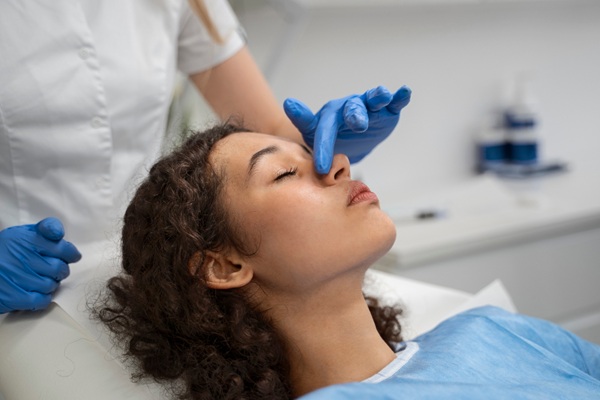
When you hear the word Rhinoplasty, your mind probably goes to the idea of reshaping a nose for cosmetic reasons.
Often called a nose job or nose reshaping surgery, it’s commonly associated with improving facial harmony or correcting a bump, a droopy tip, or a crooked nose.
But beyond its well-known aesthetic benefits, rhinoplasty can correct structural nasal issues that lead to chronic congestion, difficulty inhaling, and even interrupted sleep. An anatomical intricacy, functional purpose — improving how you breathe.
In this blog, we’ll explore how rhinoplasty can help restore proper nasal airflow (clear, comfortable breathing) and what patients should realistically expect.
Understanding The Nose's Structure And Function
To understand how rhinoplasty improves breathing, let’s first understand the basic anatomy of the nose.
Your nose is made up of:
- Turbinates — bony structures inside the nose
- Soft tissue and Mucosa that line the inside.
- Septum that separates the left and right nasal passages
- Nasal valves — the narrowest part of the airway
The nasal septum divides the nasal cavity into two sides, ideally allowing even airflow. Turbinates — regulate air humidity and temperature. The nasal valves, on the other hand, control how much air flows through each nostril.
When any of these components are misaligned or damaged, it affects how easily air can pass through. Common culprits include a crooked septum, enlarged turbinates, or weak nasal valves. That’s where functional rhinoplasty comes in — it can correct these issues and open up your breathing.
Can Rhinoplasty Fix A Crooked Nose?
Yes, it can — and often, it should. A crooked nose does more than throw off your facial balance. It can also distort your nasal passages, causing airflow on one or both sides to become restricted. The result? Chronic congestion, snoring, and sometimes even sinus infections.
When the external shape of the nose is visibly off-center, it’s often a reflection of structural irregularities inside, such as a deviated septum or collapsed cartilage.
Surgical nose correction for a crooked nose not only improves appearance but also plays a crucial role in improving breathing conditions.
Through rhinoplasty, a surgeon can reposition the nasal bones and reshape the cartilage to restore both symmetry and function.
How Rhinoplasty Can Improve Breathing: Beyond Cosmetic Enhancement
While many people undergo rhinoplasty for appearance, others seek it out due to persistent nasal obstruction. Here’s how the procedure improves breathing:
1. Septoplasty with Rhinoplasty:
A deviated septum — when the wall between your nostrils leans to one side — is one of the most common causes of blocked airflow. By straightening it through septoplasty, often done during rhinoplasty, both nasal passages can open up, allowing better breathing.
2. Nasal Valve Repair:
The nasal valves are the narrowest part of the airway. If these valves collapse, they block airflow during inhalation. Functional rhinoplasty strengthens these areas using grafts, thereby reducing collapse and improving airflow.
3. Turbinate Reduction:
Turbinate hypertrophy (enlarged turbinates) can cause constant stuffiness. Rhinoplasty may include reducing the size of these structures to improve airflow without affecting their essential function.
4. Realignment of Nasal Bones and Cartilage:
If trauma or congenital defects have caused misalignment in the nasal bones or cartilage, rhinoplasty can bring everything back into alignment — clearing the way for unobstructed breathing.
Aesthetic Benefits Of Rhinoplasty
While functional rhinoplasty focuses on improving airflow, aesthetic benefits naturally come along with the procedure. A nose that’s been corrected for structural issues often appears straighter, more balanced, and proportionate to the rest of the face.
Some of the cosmetic enhancements include:
- Smoothing out a nasal hump
- Refining the nasal tip
- Narrowing wide nostrils
- Improving overall facial symmetry
Even when rhinoplasty is done primarily for breathing problems, surgeons often take into account the nose's external appearance to ensure harmonious results.
Combining Procedures For The Best Nose Job
When breathing issues and cosmetic concerns overlap, septorhinoplasty — a combination of rhinoplasty and septoplasty — is often the ideal approach.
This dual-purpose procedure:
- Solves internal problems like blockage and airflow restriction
- Refines the external appearance of the nose
- Saves time and recovery by combining both goals into one surgery
More importantly, it ensures the aesthetic adjustments don’t compromise the nasal function — and vice versa. That balance is key and requires a skilled cosmetic surgeon as Dr. V.S. Rathore at Kaayakalp, who understands both the form and function of nasal anatomy.
Limitations Of Rhinoplasty
Despite its benefits, rhinoplasty has its limitations.
Rhinoplasty can be transformative, but it’s not a miracle fix for every breathing problem. Some conditions, like chronic allergies or sinus disease, may persist even after surgery. So, your expectations must be realistic. While the results are long-lasting, the journey to full healing takes time.
Here are a few things to know:
- Healing can be slow. Swelling takes weeks to months to resolve. You may not see final results until 6 to 12 months post-op.
- Risks exist. As with any surgery, there are risks like infection, scarring, or complications with anesthesia.
- Revisions are sometimes necessary. Although rare, some patients may require a second surgery if functional or cosmetic goals aren’t fully met.
That’s why having open, honest discussions with a board-certified cosmetic surgeon is crucial before you commit.
Conclusion: Is Rhinoplasty Right For You?
If you’re constantly feeling stuffy, suffer from a deviated septum, or find yourself mouth-breathing, Rhinoplasty could be the solution to your breathing difficulties you've been searching for.
It offers real, measurable benefits:
- Easier breathing
- Better sleep
- Fewer sinus infections
- And yes, a more symmetric, beautiful appearance
But as with any medical procedure, it’s not a one-size-fits-all fix. The key lies in personalized evaluation and finding a qualified surgeon who can tailor the procedure to both your aesthetic goals and functional needs.
In short, rhinoplasty isn’t just about changing how you look — it’s about helping you feel better, breathe better, and live more comfortably every day.