
Lift and Contour Without Surgery— Book Your Liquid Facelift Today!
Book an AppointmentWhat is a Liquid Face-Lift?
Using an array of injectables, a liquid face-lift stimulates your facial features by addressing ageing signs like wrinkles and volume loss. In general, this procedure incorporates dermal fillers with wrinkle reductions. You get guidance from a qualified cosmetic surgeon in evaluating the best solutions for your needs.
A liquid face-lift, in contrast with the norm of face-lift surgery, is a minimally invasive non-surgical process to improve facial contour and soften wrinkles. Instead of Botox, cosmetic injections such as dermal fillers are used.
Since it cannot replace surgical facelifts, it is an excellent alternative for people who would rather not have surgery or who might opt to have it done in the future but aren't ready yet.
This method combines dermal fillers and wrinkle reducers to address the following:
- Forehead lines and wrinkles around your eyes, nose, and mouth
- Sagging in your brow, mouth corners, or jawline
- Volume loss in areas such as your temples, under your eyes, or in your cheeks and lips
- A cosmetic surgeon will tailor your treatment to meet your unique needs, selecting from various products to achieve the best results.
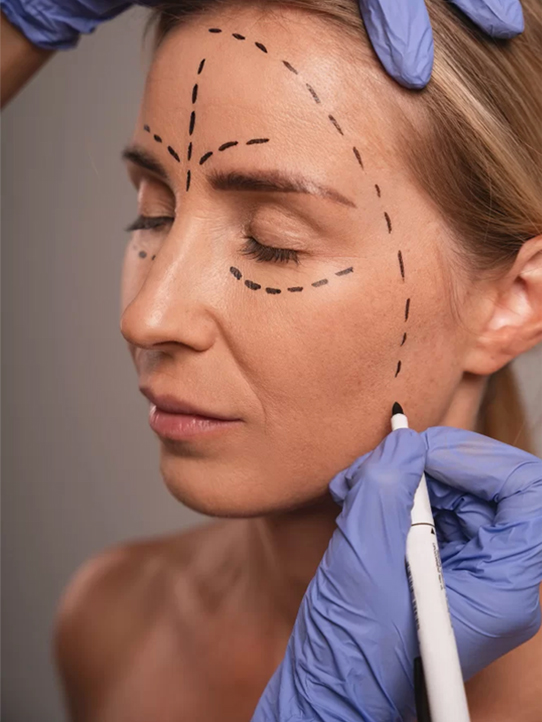
What elements are included in injectable liquid facelifts?
- Hyaluronic Acid-Based Fillers: Fillers based on hyaluronic acid, such as Juvederm, Restylane, and Belotero Balance, treat passive wrinkles, or lines that are visible at rest but not when moving. They also give lips a lush appearance.
- Wrinkle Reducers: Botox, Dysport, Xeomin, and Jeuveau are some of the most popular examples of botulinum toxins that minimise wrinkles. Only dynamic wrinkles—lines that show up or become more noticeable as the face muscles move—such as frown lines between the eyebrows, active crow’s feet, etc.—are treated by them.
- Hydroxyapatite filler: Radiesse is a volumiser made of hydroxyapatite filler. The finest uses for this inert substance are plumping the mid-cheeks and temples, as well as deepening the nasolabial lines—the line that extends from the corner of the nose to the outside edge of the lips.
- Fillers that increase collagen: poly-L-lactic acid is found in Sculptra. It is transported in salt. It stimulates the production of collagen in our tissue and takes three, four, or more sessions to be Dermal effective. Unlike other volumisers that, at most, last a little over a year, this one can last up to three years.
Fillers function by eradicating shadows and “plumping up” sunken regions. The treatment impacts can last for up to a year and a half. Botox and other wrinkle reducers temporarily relax the targeted muscle to smooth out wrinkles. The effects of Botox typically last three months.
How Do Liquid Facelifts Works?
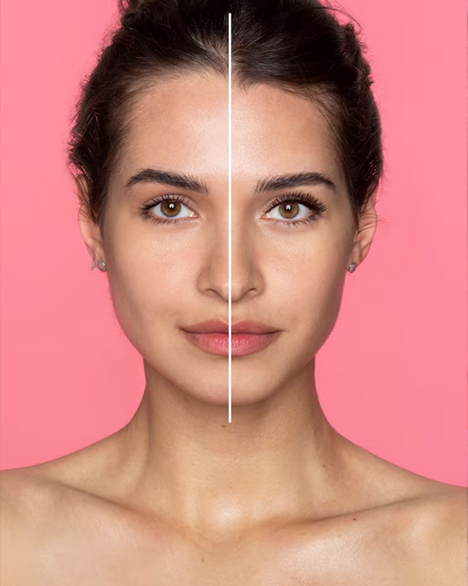
The injected dermal fillers in liquid facelifts offer your skin a smoother, plumper appearance. After being injected into your skin, a dermal filler strengthens your skin by acting as elastin and collagen.
Your skin’s collagen foundation deteriorates with age and increased use of your facial muscles. As a result, wrinkles start to appear on your skin and it becomes less flexible and hydrated…
For your liquid facelift, you can select from a range of dermal fillers, such as:
- Hyaluronic acid. This is one of the most commonly utilised forms of dermal filler, and it is an element that is made by our own body. It can firm and hydrate your skin by repairing the void produced by missing collagen and elastin fibres.
- Polymethacrylate spheres. These are often applied around the mouth and are not absorbed by the body. These are slick plastic bits that will stimulate collagen production in your body.
- Hydroxylapatite of calcium. This mineral can survive up to eighteen months and is present in human bones. It is frequently used by doctors to volumise acne scars.
- Poly-L-lactic acid. This lasts for up to two years and is composed of the same material as dissolvable stitches.
Liquid Face-Lift vs. Way Old Surgical Face-Lift
There are advantages and downsides to both surgical and liquid facelifts. If you are aware of these pros and cons, it may be easier to select one that best suits your needs and goals.
| Type | Pros | Cons |
| Liquid Face-Lift | Comfort: Minimal discomfort during and after the procedure. | Effectiveness: May require multiple treatments for satisfactory results. |
| Affordability: Generally less expensive initially. | Maintenance: Effects are temporary; and require ongoing treatments. | |
| Anaesthesia: No general anaesthesia is needed. | Cost Over Time: Repeated treatments could add up, potentially costing more than surgery. | |
| Natural Look: Often appears more natural. | Result Drama: May not achieve the dramatic results of surgery. | |
| Recovery Time: Minimal or no recovery time is required. | ||
| Risks: Fewer risks involved. | ||
| Reversibility: Results can be reversed with hyaluronic acid. | ||
| Feedback: Allows real-time feedback to the surgeon. | ||
| Trial: Enables you to test the look before committing to surgery. | ||
| Surgical Face-Lift | Longevity: Results can last up to 10 years. | Recovery Time: 10 to 14 days of recovery needed. |
| Tightening: Removes excess skin and tightens facial muscles. | Discomfort: More pain and discomfort during recovery. | |
| Contours: Enhances and refines facial contours. | Aftercare: Extensive aftercare required. | |
| Effectiveness: Produces dramatic changes. | Initial Cost: Higher initial cost. | |
| Cost Efficiency: This may be more cost-effective long term due to longer-lasting results. | Surgical Risks: Risks associated with anaesthesia and surgery. | |
| Permanence: Results are permanent and irreversible. | Irreversibility: Results are permanent and cannot be reversed. |
After Your Procedure: Recovery and outcomes of a liquid facelift
- Results and Recovery Timeline
The results from your procedure can vary based on the type of treatment. For Botox, you might notice improvements immediately, but it typically takes one to two weeks to see the full effect in reducing wrinkles.
- Downtime and Activities
Most people experience minimal downtime after the procedure. You can get back to your daily routine right away. However, it’s wise to steer clear of strenuous activities for the first 24 to 48 hours.
- Possible Side Effects
You might experience some mild and temporary side effects, including:
- Bruising or redness at injection sites
- Swelling
- Tenderness, sensitivity, or itching
- A “puffed” look in treated areas
- Temporary numbness
- Small lumps or hardened areas under the skin
- A reaction similar to an allergy (hives or swelling)
- These effects usually fade within a few days.
- Rare Complications
You may occasionally see visual disruptions. If so, get medical help right once, especially if one side of your body is hurting or feeling weak.
Ascend to Excellence
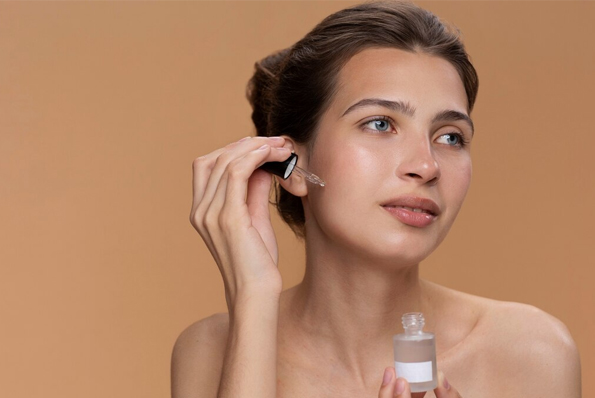
A non-surgical method to improve your visual appeal is a liquid face-lift. Through a combination of Botox and dermal filler injections, wrinkles are smoothed and volume is added. Compared to traditional face-lift surgery, the results are subtler and more transient.
See a board-certified cosmetic surgeon for a consultation to make sure this non-invasive treatment procedure is correct for you. Ask questions, look over before-and-after pictures, and consider your options during the consultation.
Make an appointment for your consultation with Kaayakalp right away to get started on the path to rejuvenated self-care.
Frequently Asked Questions
After just one treatment, the majority of fillers show benefits right away. However, some specific injectables need to be treated more than once. Follow-up appointments are frequently preferred, particularly when a patient requests more improvements or after the initial gains start to wane with time.
Like any injectable therapy, slight pain, swelling, and bruising are common side effects of a Liquid Lift. Less frequently, If the filler is accidentally injected into a vessel, the skin's circulation could be affected. These are the reasons to go with a Board Certified Plastic Surgeon who is knowledgeable about all available alternatives, skilled in understanding both superficial and deep facial anatomy, and experienced.
No, a surgical facelift cannot be replaced by a liquid facelift. It provides a transient, less invasive way to rejuvenate the face. Although a surgical facelift requires a more sophisticated operation and long-lasting results but involves more recovery time and a more complex procedure.
Yes, you can usually get back to your regular activities right away following the treatment. For best effects, it is best to stay out of the sun and avoid strenuous exercise for a few days.
You can see immediate improvements in facial volume and contour right after the procedure. While initial results are visible right away, the final effect may take a few days as any swelling or bruising subsides.
The discomfort is usually minimal. Practitioners use local anaesthetics to ensure the injections are as painless as possible. Most people experience only minimal discomfort. Numbing agents are used to reduce any pain during the injections.
Several face areas are treated with dermal fillers during a liquid facelift procedure to restore lost volume and eventually satisfy the needs of each patient. More or less 15 to 30 minutes are needed for this outpatient surgery. One option for increased comfort is to use a topical anaesthetic. The effects are felt right away.
A person who shows little indications of ageing (fine lines or little volume loss), does not want surgery, and has reasonable expectations for the procedure is the ideal candidate for a liquid face-lift.
The results of a liquid facelift could last anywhere from six months to two years, depending on the type of injection used. Most dermal fillers, such as Radiesse, Voluma, Juvederm, and Restylane, offer instant results. To maintain your look, periodic touch-ups are recommended.
By smoothing wrinkles, increasing volume where it has been lost, and elevating drooping regions, a Liquid Face-Lift can restore youthful curves. It brings out your inherent attractiveness without requiring surgery.