How to Minimize Breast Reduction Scars with Modern Care (2025 Guide)
Fear of visible scars often stops women from choosing breast reduction, even when the surgery could relieve discomfort and improve posture. The truth is, modern techniques have evolved dramatically. Today, advanced incision patterns, laser therapy, PRP, and medical-grade gels can make breast reduction scars softer, lighter, and far less noticeable.
Understanding these modern scar-management approaches can help women make informed decisions and move past the fear that often delays much-needed relief.
Why Scarring Still Worries Many Women
Many women with large, heavy breasts live with back or shoulder pain for years. They know breast reduction could help — yet hesitate because of one question: “Will it leave scars?”
This fear is understandable. Traditional surgeries did leave visible marks. But modern plastic surgery has moved beyond that. Today, cosmetic surgeons carefully plan incisions along natural folds and use refined suturing techniques, resulting in scars that fade beautifully over time.
Understanding Breast Reduction Scars
Every surgical incision heals with a scar — but the appearance and visibility of that scar depend on how the surgery is performed and how the body heals.
After breast reduction surgery in Kolkata, patients usually notice thin lines that lighten and soften gradually. With the right care, these scars often blend into the natural skin tone, becoming barely visible within a year.
Here’s what influences scar visibility:
- Incision type and placement
- Skin tone and healing response
- Post-op care and lifestyle
- Use of advanced scar treatments
Knowing this helps patients set realistic expectations — and focus on long-term results, not short-term marks.
2025 Scar-Management Techniques You Should Know
Modern scar care has evolved far beyond traditional ointments. Here are the most effective and lesser-known approaches now used by leading cosmetic surgeons in India.
1. Smarter Incision Patterns
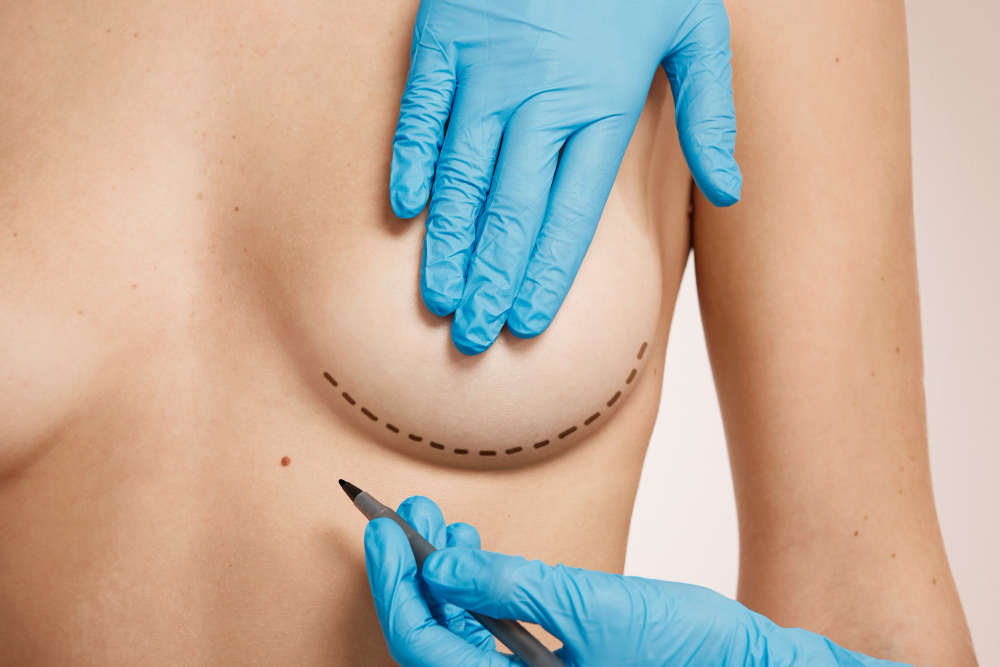
Surgeons today select incision types based on breast size, tissue distribution, and skin elasticity.
- Vertical or “Lollipop” Pattern:
This involves one incision around the areola and another straight down to the breast fold — ideal for moderate reductions. It avoids the long horizontal scar common in older methods. - Wise or “Anchor” Pattern:
Used for larger reductions, this technique adds a fold incision but is now performed more precisely, ensuring scars fall naturally under the breast line.
Both patterns aim to balance shape and minimal visibility. At Kaayakalp, incision mapping is done carefully to match individual anatomy, reducing long-term scarring risk.
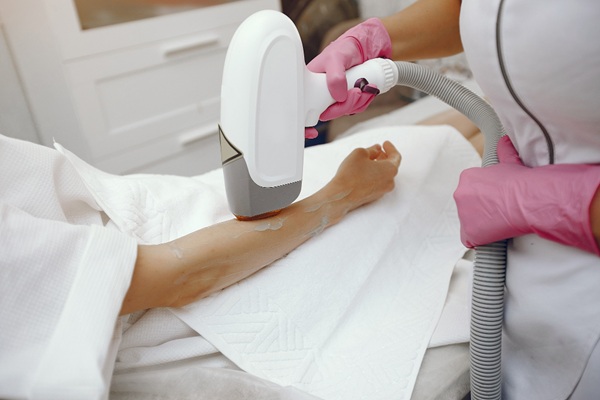
2. Laser-Assisted Scar Refinement
Laser resurfacing has become one of the most effective tools for scar lightening.
Low-level laser therapy helps:
- Break down dense collagen in healing tissue
- Stimulate new skin cell growth
- Improve colour and texture uniformity
When used at the right stage of recovery, it can make scars flatter, smoother, and less visible.
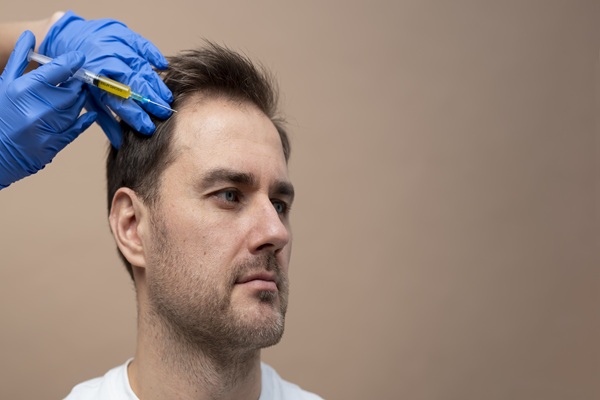
3. PRP (Platelet-Rich Plasma) for Enhanced Healing
PRP uses your body’s own growth factors to boost healing and tissue regeneration.
When applied around surgical sites after breast reduction, it can:
- Speed up recovery
- Reduce redness or thickness of scars
- Improve overall skin tone
This biologically safe technique has become a game-changer in post-op scar care across India.
4. Silicone Gel Sheets and Medical-Grade Creams
These clinically proven materials create a moist healing environment and prevent excessive collagen buildup (which causes raised scars).
Regular use can significantly flatten scars and improve texture over time.
5. Gentle Massage and Sun Protection
Once cleared by the surgeon, light massage improves circulation and softens healing tissue. Equally important is sun protection — UV rays can darken fresh scars. Using sunscreen or clothing coverage helps maintain even tone as the area heals.
How Modern Clinics Approach Scar Management
Scar management today begins long before surgery. The key lies in thoughtful planning, tissue respect, and evidence-based aftercare — all working together to help scars heal naturally and discreetly.
Here’s what most experienced surgeons now emphasize:
- Pre-surgical assessment: Careful incision mapping helps position scars where they are least visible, like under natural breast folds.
- Tension-free closure: Using gentle suturing techniques allows tissues to heal smoothly and minimizes raised or stretched scars.
- Laser and PRP support: Combining low-level laser therapy or platelet-rich plasma accelerates healing and improves skin texture.
- Targeted post-op care: Silicone gels, medical sheets, and guided follow-ups ensure steady fading and optimal colour blending.
- Regular reviews: Monitoring how the tissue matures allows early correction if scars show uneven tone or firmness.
This structured, step-by-step approach reflects how modern plastic surgery prioritizes long-term healing as much as aesthetic results — helping women heal comfortably and confidently, with scars that fade quietly over time.
The Healing Timeline: What to Expect
Healing is gradual, and everybody is unique. Here’s what most women experience after breast reduction surgery in Kolkata:
- 1–3 weeks: Mild redness and swelling; incisions begin to close.
- 4–6 weeks: Scars start to lighten; itching or tightness fades.
- 3–6 months: Lines flatten and fade to soft pink or beige.
- 6–12 months: Final healing; scars blend with skin tone.
With laser or PRP therapy, this process may be even faster — and the results are smoother.
Scarring shouldn’t stop you from reclaiming your comfort or confidence.
With the right techniques, thoughtful follow-up, and modern scar management tools, most breast reduction scars fade beautifully within months.
If you’re exploring breast reduction surgery in Kolkata, look for surgeons who prioritize both results and recovery — focusing not just on how you look after surgery, but how you heal.
At Kaayakalp, patients receive evidence-based scar care with a compassionate touch — helping every woman heal naturally, confidently, and beautifully.
FAQs:
1. Will I always have visible scars after breast reduction?
Some scars are inevitable, but with modern techniques, they fade dramatically over time — often becoming nearly invisible.
2. Which incision leaves the least noticeable scars?
The vertical (lollipop) technique usually leaves minimal marks. Your surgeon will choose the best option based on your anatomy.
3. Can laser or PRP remove scars completely?
They don’t erase scars entirely but can make them much lighter, flatter, and softer — often blending naturally into skin tone.
4. How long do scars take to fade?
Most fade significantly within 6–12 months, depending on your skin type and care routine.
5. Is it safe to use scar creams or gels right after breast reduction surgery?
Only after the incision has healed fully, always use them under your surgeon’s advice to avoid irritation.
6. How can I minimize breast reduction scars at home?
Follow aftercare guidelines, keep the area moisturized, protect it from sunlight, and attend all follow-ups for timely evaluation.