How Many Hair Transplant Sessions Are Needed for Full Density?
One of the most common questions people ask before a hair transplant surgery in Kolkata— Will I need one or multiple sessions of hair transplant to achieve full density?
Though it is a valid concern, but hair restoration is not just about covering bald areas. It is about creating natural, lasting density that blends seamlessly with your existing hair or aligns well with your face and age. The number of sessions of hair transplant required depends on several medical factors, not a fixed rule.
Let’s explore what truly determines whether one session of hair transplant is enough or a multiple approach works better.
1. The Extent of Baldness Determines Session Count
The stage of hair loss plays the biggest role in planning.
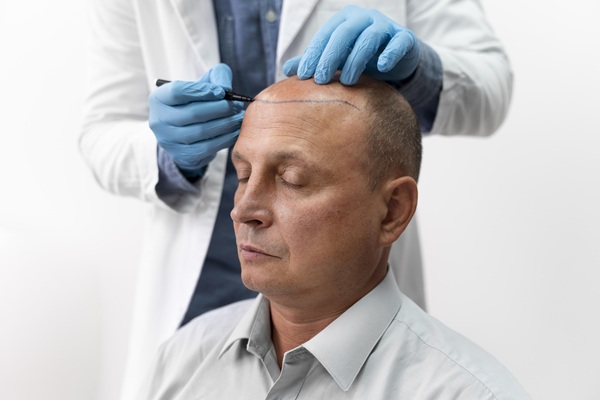
Someone with early hairline recession usually requires fewer grafts. In many such cases, a single hair transplant session can provide excellent density and natural framing of the face.
However, when baldness extends across the front, mid-scalp, and crown, the graft requirement increases significantly. Covering larger areas requires careful distribution of follicles to maintain balance and preserve donor strength.
In advanced stages, a hair transplant surgeon in Kolkata may recommend:
- One large, well-planned session
- Or two staged sessions spaced months apart
The goal is always the same: create density that looks natural from every angle.
2. Graft Availability Limits Over-Aggressive Density
Every person has a limited number of donor grafts. These grafts come from the back and sides of the scalp, where hair typically remains genetically stable.
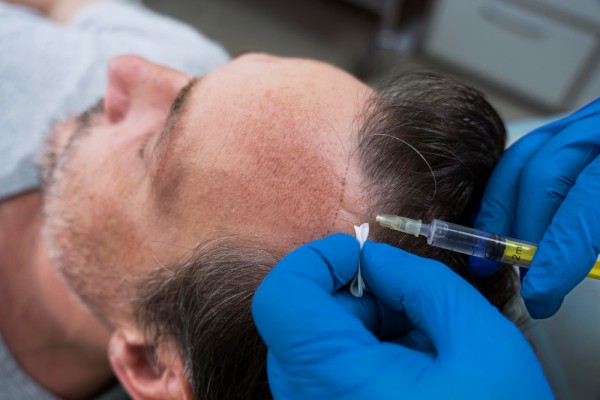
As the donor area is precious, surgeons prefer not to exhaust or irritate the scalp there in one go.
If someone requests extremely high density in one sitting without considering donor capacity, it may compromise long-term balance. Thoughtful planning ensures:
- Adequate density today
- Preserved grafts for the future
- A natural transition between transplanted and existing hair
This is why not everyone benefits from maximum graft placement in a single session. Controlled density often delivers better long-term satisfaction.
3. One Large Session vs. Multiple Hair Transplant Sessions
Modern techniques allow an expert hair transplant surgeon in Kolkata to perform large sessions safely when appropriate. Many patients achieve significant coverage in one sitting.
When One Hair Transplant Session May Be Enough:
- Mild to moderate baldness
- Strong donor density
- Clear focus on frontal restoration
In these cases, a single well-executed procedure often delivers impressive improvement.
When Staged Sessions Make Sense:
- Advanced baldness
- Crown and frontal restoration together
- Desire for gradual density building
- Long-term strategic planning
Staged sessions allow the scalp to heal and give the surgeon flexibility to refine density in the second procedure. This approach often feels more controlled and personalized.
4. Surgeon’s Planning Reduces the Need for Repeat Procedures
A carefully designed hair transplant focuses on both present appearance and future progression.
Genetic baldness continues gradually over time. A skilled surgical plan considers:
- Current thinning pattern
- Expected future hair loss
- Age-appropriate hairline design
- Donor conservation strategy
By anticipating future changes, a hair transplant specialist minimizes the need for unnecessary repeat sessions.
For example, lowering the hairline excessively in a young patient may require future corrections. A mature, natural hairline design often ensures long-term harmony.
Strategic planning often makes one session sufficient for many patients.
5. Long-Term Density vs. Immediate Fullness
Many patients envision a thick, youthful density immediately after surgery. While density improves steadily, it is important to focus on sustainable fullness rather than instant thickness.
Hair transplant density grows gradually:
- Initial healing phase
- Shedding of transplanted shafts
- New growth over several months
- Progressive thickening over time
The final result appears natural because it follows your hair’s biological cycle.
Sometimes, patients choose a second session later to enhance density further. This decision often depends on evolving preferences rather than medical necessity.
Realistic Expectations Create Better Outcomes
Full density does not always mean replicating teenage hair volume. It means achieving balanced coverage that complements your facial structure and age.
The right session count depends on:
- Baldness stage
- Donor capacity
- Density goals
- Long-term planning
A well-explained consultation will help you understand how many grafts are required and how many hair transplant sessions are ideal for you.
Why Most Patients Achieve Satisfying Results in One or Two Sessions
With modern FUE and advanced graft placement techniques, many individuals achieve excellent coverage in a single hair transplant session.
Advanced baldness may require two sessions for refined density. Beyond that, additional sessions are uncommon when planning is done properly from the start.
The emphasis remains on:
- Natural hairline
- Balanced crown density
- Smooth transitions
- Long-term graft preservation
This structured approach ensures the result feels authentic rather than artificial.
The Importance of Donor Management
Donor management plays a central role in determining session count.
Surgeons evaluate:
- Donor hair thickness
- Follicular unit density
- Scalp elasticity
- Extraction spacing
Preserving donor integrity ensures that the scalp continues to look healthy both in the donor and recipient areas.
Thoughtful extraction allows donor area hairs to remain unaffected and the possibility of future sessions if ever desired, while maintaining a natural appearance.
Patience Brings the Best Density
Hair transplantation rewards patience. Full density evolves gradually over 9 to 12 months.
During this period, the transplanted follicles establish a blood supply, enter growth cycles, and thicken naturally. Many patients feel pleasantly surprised by how density improves steadily over time.
Rushing hair restoration in one sitting does not always produce the best long-term outcome. Balanced planning creates refined, natural fullness that lasts.
So, if you’re wondering how many hair transplant sessions are needed for full density?
The answer is, it depends on your hair pattern, donor strength, and long-term goals.
When you understand how the baldness stage, graft limits, and future progression influence session count, you gain clarity and confidence in your decision.
A detailed consultation with our expert hair transplant surgeon in Kolkata at Kaayakalp Clinic can help you figure out your graft requirement, session plan, and possible outcome.
Achieve confidence with proper guidance, and move forward knowing what's best for you.