Which Hair Transplant Technique Fits Your Hair Loss Pattern?
Hair loss develops in different ways, and the pattern it follows matters more than many people realise. A receding hairline, thinning at the crown, or gradual loss of overall density each requires a different approach to treatment.
When considering a hair transplant in Kolkata, the choice of technique should never be based on what is popular or commonly discussed online. It depends on your hair loss pattern, donor hair strength, scalp condition, and how your hair loss may progress over time. This guide explains how different hair transplant techniques align with specific hair loss patterns, helping you make informed decisions with clarity and confidence.
Why Hair Loss Pattern Matters Before Choosing a Hair Transplant Technique
Hair transplant treatment works best when it follows the natural progression of hair loss.
Your pattern tells the surgeon:
- Where hair is thinning or missing
- How stable the hair loss is
- How many grafts may be required?
- Which technique will give natural density without overharvesting
Ignoring pattern analysis often leads to uneven results or future gaps. This is why technique selection should always come after understanding the hair loss pattern—not before.
What Are the Main Hair Transplant Techniques Used Today?
Before matching techniques to patterns, it helps to understand the options most clinics use.
Follicular Unit Extraction (FUE)
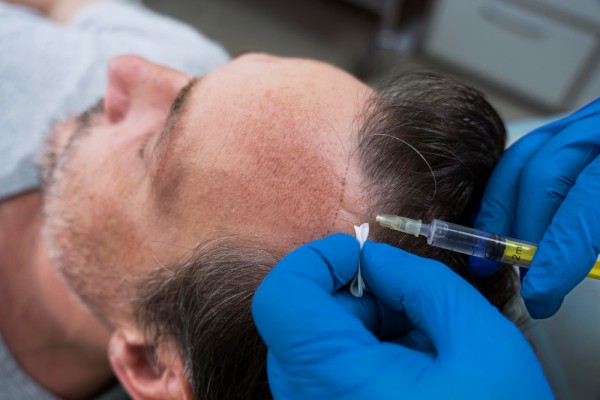
- Individual follicles extracted from the donor area
- No linear scar
- Flexible for different scalp areas
- Commonly used for hairline and crown work
Follicular Unit Transplantation (FUT)
- A thin strip is removed from the donor area
- Higher graft yield in some cases
- Linear scar, usually hidden by surrounding hair
Direct Hair Implantation (DHI)
- A refined form of FUE
- Grafts are implanted immediately using a specialised tool
- Allows precise angle and depth control
Each hair transplant technique serves a purpose. The right choice depends on where and how hair loss has occurred.
Hair Transplant in Kolkata: Which Technique Fits Your Hair Loss Pattern?
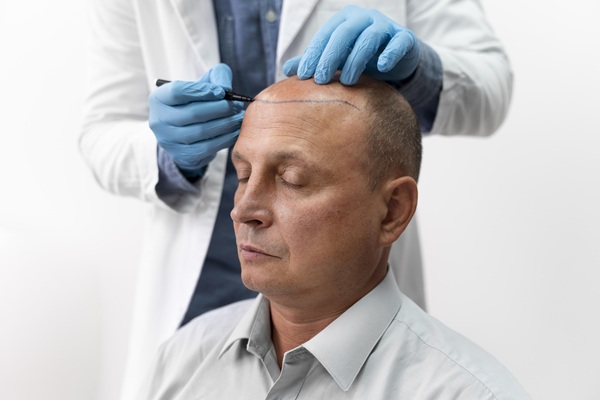
Receding Hairline or Temple Loss
This pattern is common in early to moderate male pattern baldness.
Best-suited techniques:
- FUE
- DHI (for detailed hairline work)
Why it works:
- Allows natural hairline design
- Better control over angle and direction
- Minimal visible scarring
The goal here is precision, not just density.
Crown Thinning or Bald Spot
The crown behaves differently from the hairline. Hair grows in circular patterns and often needs more grafts than expected.
Best-suited techniques:
- FUE
- FUT (in selected cases needing high graft numbers)
Why technique choice matters:
- Crown areas require careful planning to avoid patchiness
- Overpacking early can affect future hair loss coverage
Crown restoration is usually planned conservatively, especially if hair loss is still progressing.
Diffuse Thinning Across the Scalp
Diffuse thinning is common in both men and women and often misunderstood.
Best-suited approach:
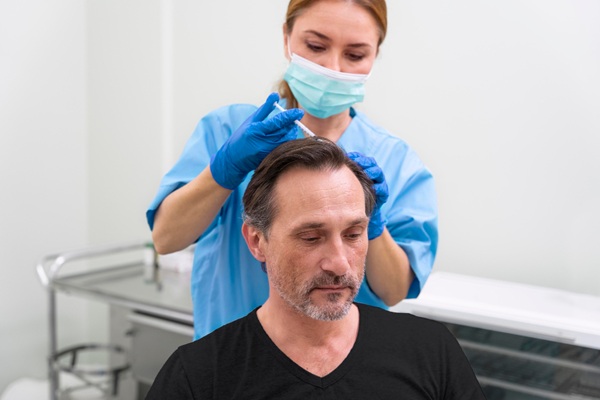
- Carefully planned FUE
- Sometimes combined with medical or regenerative treatments
Key consideration:
- The donor area must be strong
- Grafts are placed strategically to improve overall density
In diffuse cases, aggressive extraction can worsen the appearance if not planned correctly.
Advanced Hair Loss or Large Bald Areas
When hair loss is extensive, efficiency becomes important.
Best-suited techniques:
- FUT for higher graft yield
- Combined FUT + FUE in staged planning
Why combination work:
- Preserves donor area for future needs
- Allows better coverage over time
This approach focuses on long-term planning rather than quick fixes.
Hair Transplant Technique for Men vs Women: Is It Different?
Yes. Hair transplant treatment planning differs significantly.
In Men
- Clear patterns like a receding hairline or crown loss
- Easier to define transplant zones
- Technique choice focuses on density and design
In Women
- Hair loss is often diffuse
- Hairline is usually preserved
- Donor area assessment is critical
Women often benefit from conservative FUE approaches combined with medical support, rather than aggressive transplantation.
What Else Influences the Right Hair Transplant Treatment?
Beyond pattern, several factors guide technique selection:
- Donor hair density and quality
- Scalp flexibility
- Hair texture and curl
- Age and future hair loss risk
- Styling preferences
This is why technique decisions should never be rushed or copied from others.
Can the Wrong Technique Affect Long-Term Results?
Yes. A mismatched technique can:
- Deplete donor hair early
- Create unnatural density
- Limit future corrective options
A well-planned hair transplant treatment considers not just today’s hair loss, but how it may progress over the years.
Key Takeaway Before Choosing Your Hair Transplant Technique
There is no universally “best” hair transplant technique.
There is only one technique that fits your hair loss pattern, scalp condition, and future needs.
Understanding this difference is what leads to natural, lasting results rather than short-term fixes.
FAQs:
FUE works well for many patterns but may not suit advanced baldness or weak donor areas without careful planning.
A proper scalp and donor assessment by an experienced surgeon determines the most suitable technique for your hair loss pattern.
Yes. Crown areas need careful density planning due to circular growth patterns and higher graft requirements.
Yes. With proper evaluation, women can benefit from hair transplant treatment tailored to diffuse thinning patterns.
Long-term planning ensures the chosen technique preserves donor hair for future needs if hair loss continues.