How Ageing, Weight & Time Affect Breast Implants
Breast implants can change slightly in size, shape, or position over time — and that’s completely normal. Factors like tissue ageing, weight changes, pregnancy, or gravity can affect how your breasts look and feel. These gradual differences don’t mean something went wrong. With mindful care, regular check-ups, and awareness, your results can stay balanced and natural for years.
If you’ve had breast implant surgery in Kolkata, knowing why these changes happen and what to do next can help you maintain long-term comfort and confidence.
Why Breast Implants Don’t Stay the Same Forever
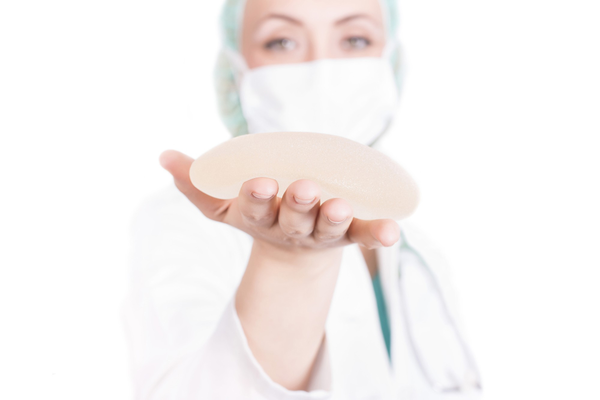
Breast implants are designed to last many years, but they’re not static. Your body continuously evolves — and so does the tissue that supports the implants. Skin may lose elasticity, weight may fluctuate, and hormones can influence breast volume.
Even high-quality silicone or saline implants may shift slightly as the surrounding tissue adapts over time. These changes are usually gradual. Most women notice them only after several years, or when comparing photos.
Understanding this natural progression helps set realistic expectations — and reminds you that change doesn’t necessarily signal a problem.
Common Reasons Your Breast Implants May Look or Feel Different
1. Normal Ageing of Breast Tissue
With age, breast tissue and skin become thinner and less firm. The implants may appear slightly lower or fuller as the natural support relaxes.
2. Weight Fluctuations or Pregnancy
Body weight and hormones influence the breast envelope that surrounds the implant. Even if the implant itself doesn’t change, the breast can look different because the skin stretches or contracts.
3. Capsular Contracture
In some cases, the body forms a firm capsule around the implant. This can make one side feel tighter or smaller. Regular monitoring ensures any early stiffness is managed promptly.
4. Implant Settling or Movement
Implants naturally “settle” during the first year after surgery. Later on, posture, physical activity, or chest muscle movement can subtly shift their position.
5. The Effects of Gravity and Time
Like natural breasts, implants respond to gravity. Over several years, you might notice a gentle downward shift — more common after childbirth or menopause when tissue elasticity changes.
When Is It Time to Get Checked?
Most post-surgery changes are harmless. But it’s worth scheduling a review if you experience:
- A noticeable size or shape difference between the two breasts
- Sudden firmness or hardness
- Unusual pain, swelling, or tightness
- Rippling or sagging that wasn’t there before
Consulting an experienced cosmetic surgeon in Kolkata can help you understand whether these are natural changes or signs of something that needs attention. Early assessment can prevent small issues from becoming larger concerns.
How Regular Follow-Ups Help Maintain Results
A breast implant surgery isn’t a one-time event; it’s an evolving part of your body’s story. Regular follow-ups ensure your implants continue to suit your natural anatomy as time passes.
During check-ups, your surgeon typically:
- Reviews the implant position and symmetry
- Checks for tissue health and elasticity
- Look for any early signs of capsular contracture or implant shift
- Discusses whether adjustments or supportive care might help
These visits are simple and often reassuring — most women leave with peace of mind, not a problem to fix.
How to Care for Your Breast Implants Long-Term
Good implant care isn’t complicated - it’s about small, consistent habits that support your results.
- Stay consistent with follow-ups.
Even if you feel fine, yearly check-ins help spot subtle changes early. - Choose supportive bras.
During exercise or sleep, a firm but comfortable bra helps minimize strain. - Maintain a steady weight.
Frequent gain or loss stretches breast tissue and affects appearance. - Keep skin hydrated.
Well-moisturized skin maintains elasticity longer. - Avoid smoking.
Nicotine reduces blood flow and weakens skin support.
These everyday choices contribute more to implant longevity than most people realize.
When Implant Revision Becomes the Right Choice
Over many years, some women choose to adjust or replace their implants — often for personal or aesthetic reasons rather than medical necessity.
You might consider revision if:
- You’d prefer a different size, shape, or feel
- You notice sagging after weight changes or pregnancy
- Your implants are older (10–15 years) and due for evaluation
- You’d like to switch to a newer, softer, or lighter implant type
An experienced cosmetic surgeon in Kolkata can guide you through these options thoughtfully, balancing safety, proportion, and comfort.
The Bigger Picture: Understanding Change with Confidence
Your body won’t stay the same forever — and that’s perfectly natural. Breast implants, like any aesthetic procedure, adapt to those changes.
The key is awareness, not worry. Regular follow-ups, mindful care, and an open relationship with your cosmetic surgeon in Kolkata ensure your results continue to look balanced and feel comfortable.
If you notice gradual differences, take it as a cue to check in — not to panic. A short consultation and a professional assessment can give you clarity and reassurance.
Breast implants are designed to complement your body, not define it. As time, gravity, and life events shape your body, your implants may change too — but your confidence doesn’t have to.
With the right information and steady care, you can maintain the look and comfort you love for years to come. If you’ve undergone breast implant surgery in Kolkata, consider regular reviews and informed discussions with your surgeon. Awareness is the best form of aftercare.
FAQs :
1. Is it normal for my breast implants to look smaller over time?
Yes. Tissue elasticity and ageing can subtly change how the implant sits. The implant itself hasn’t shrunk — your body has evolved around it.
2. How often should I visit my surgeon after breast implant surgery in Kolkata?
Most surgeons suggest yearly visits after your first follow-up year, or sooner if you notice visible differences or discomfort.
3. Do breast implants last forever?
Implants are durable but not permanent. Many last 10–15 years or longer. Periodic monitoring ensures they remain safe and well-positioned.
4. Can my implants move or drop over time?
Minor settling is expected. However, if one breast suddenly appears lower or asymmetrical, schedule a review.
5. Will weight gain or loss affect my breast size after implants?
Yes — your implants remain the same, but surrounding tissues may expand or shrink, changing the overall contour.
6. How will I know if I need implant replacement?
Pain, rippling, firmness, or shape change are cues for a check-up. Most issues are manageable if addressed early.
7. Are newer implants different from older ones?
Yes. Modern implants have improved shells and gel consistency, offering a more natural feel and better safety record.